
Escaping the grip of gambling addiction a journey to recovery
Escaping the grip of gambling addiction a journey to recovery
Understanding Gambling Addiction
Gambling addiction, often referred to as compulsive gambling, is a psychological condition that can take a heavy toll on individuals and their families. It is characterized by an uncontrollable urge to gamble despite the negative consequences that may arise. The thrill of the game often overshadows the potential risks, leading individuals down a path of financial ruin, relationship strain, and emotional distress. Many enjoy visiting online casinos, but for some, it spirals into a dependency that becomes increasingly difficult to break.
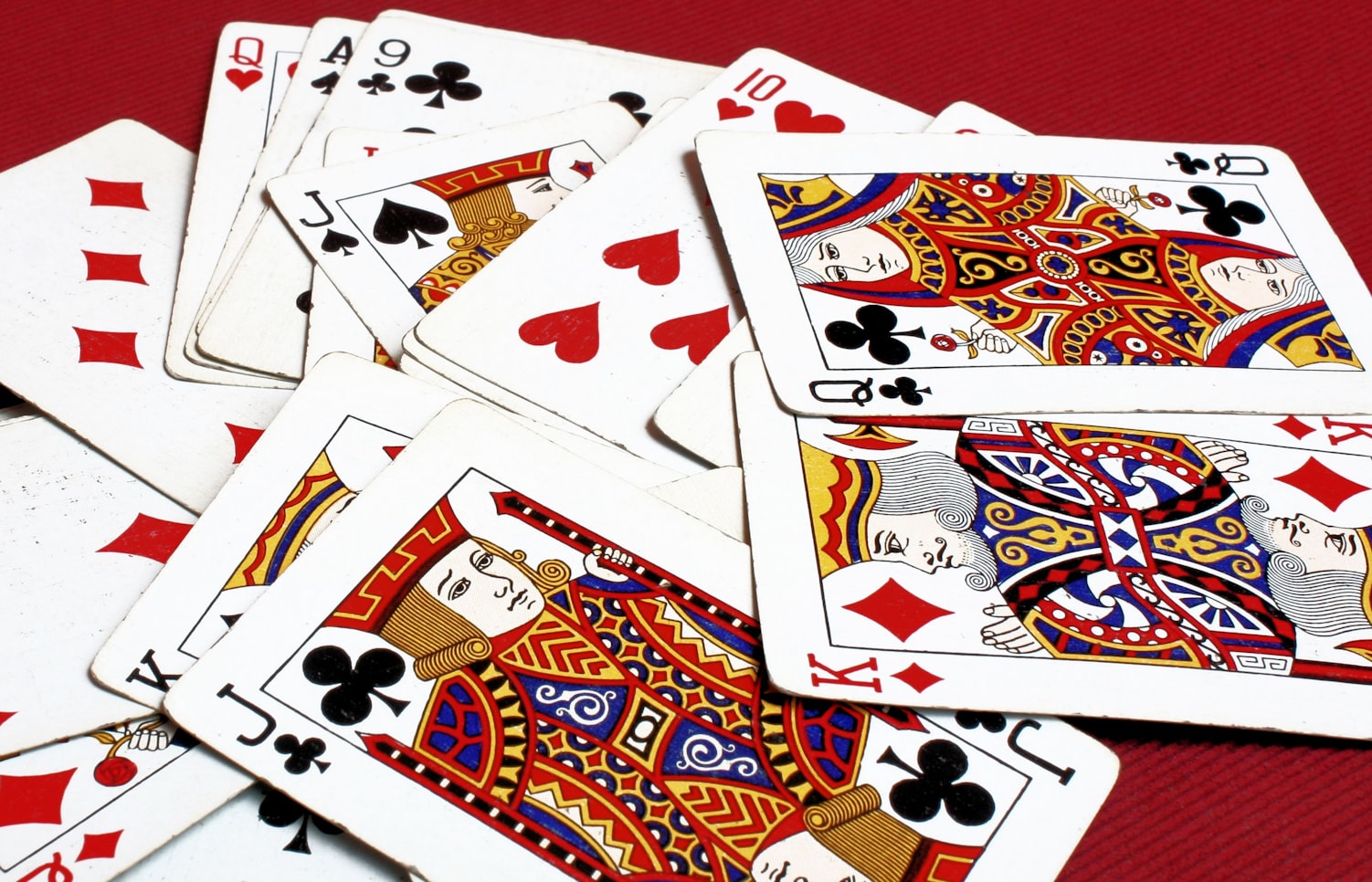
Understanding the signs of gambling addiction, such as chasing losses or lying about gambling activities, is crucial for early intervention and recovery.
The Emotional Toll of Gambling Addiction
The emotional impact of gambling addiction can be profound. Individuals may experience feelings of guilt, shame, and despair as they grapple with their inability to control their gambling behavior. This emotional turmoil often leads to isolation, as individuals may feel embarrassed to seek help or discuss their struggles with others.
Moreover, the relationships with family and friends often suffer as trust erodes and financial issues mount. This can create a vicious cycle where the individual turns to gambling as a coping mechanism, further exacerbating their emotional distress and leading to deeper problems.
Steps Towards Recovery
Embarking on the journey to recovery from gambling addiction requires courage and commitment. The first step is acknowledging the problem and its impact on one’s life. Seeking professional help, such as therapy or counseling, can provide individuals with the tools they need to confront their addiction and develop healthier coping mechanisms.
Support groups also play a vital role in recovery, offering a safe space for individuals to share their experiences and learn from others facing similar challenges. Building a supportive network can empower individuals on their journey to recovery, providing encouragement and understanding throughout the process.
The Role of Family and Friends
The support of family and friends is crucial in the recovery process. Loved ones can help by providing understanding, patience, and encouragement, which can make a significant difference in an individual’s ability to overcome gambling addiction. Open communication and fostering an environment of trust can also facilitate healing and rebuilding relationships.
Educating family members about the nature of gambling addiction can help them recognize the signs and respond effectively. It’s essential for loved ones to understand that the road to recovery may be long and filled with challenges, but their unwavering support can provide the strength needed for lasting change.

Finding Resources for Help
There are many resources available for those seeking to overcome gambling addiction. Local support groups, counseling services, and hotlines can offer immediate assistance and guidance. It’s important for individuals to recognize that they are not alone in their struggles, and help is available.
Moreover, many websites provide valuable information, tips, and strategies for managing gambling addiction. These platforms can also connect individuals with others in recovery, creating a sense of community and shared purpose. Taking the first step toward recovery by reaching out for help can be transformative, leading individuals to a healthier, more balanced life.